
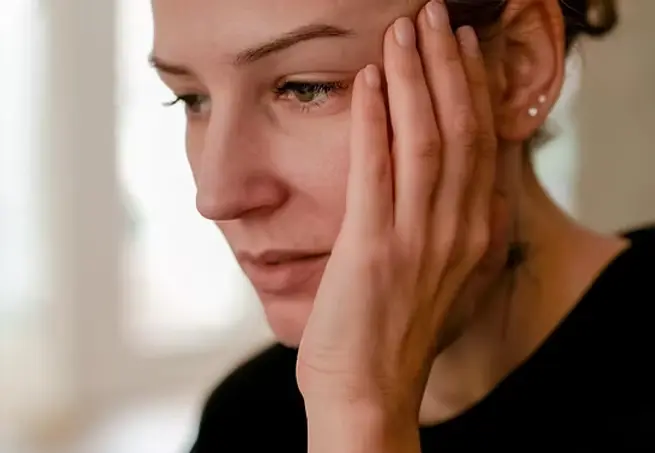
Social anxiety disorder is a type of anxiety disorder where people intensely fear social situations, especially where they may be judged or evaluated. Feeling anxious in social interactions is normal, but can become a problem when it impacts day-to-day functioning. Social anxiety is slightly more prevalent in women, commonly beginning in adolescence, resembling extreme shyness and avoidance of social situations.
There are two types of social situations that people with social anxiety generally fear:
A social situation where a person feels they are being observed by others, and perhaps evaluated for their behavior. These can include:
Public speaking or presenting
Participating in class or meetings
Eating in public
Entering a room where everyone is seated
Performing in public, such as acting/singing
Using public bathrooms
A social situation where a person is engaging with others and developing closer relationships. These can include:
Meeting new people
Talking to coworkers
Going to social events such as parties or dinners
Working in a group
Going on a date
Ordering food at a restaurant
Someone with social anxiety may fear either performance situations or interpersonal interactions, or have severe anxiety in regards to both.
Symptoms commonly associated with social anxiety can be grouped into three categories: what one thinks, what one feels, and what one does:
Negative Thoughts (What one thinks)
Avoidance and Safety Behaviors (What one does)
Overanalyzing social interactions
Worrying for days before an event
Thinking others are noticing every mistake
Expecting the worst possible outcome
Thinking others will not like them
Ruminate over their behavior during an event
Self-consciousness
Negative self-talk
Physical Symptoms (What one feels)
Blushing
Trembling
Racing heart
Nausea
Chest pain
Shaking
Stomach ache
Feeling as if one is choking
Shortness of breath
Dizziness
Lightheadedness
Blurred vision
Dry mouth
Feeling as if your mind is blank
Difficulty making eye contact
Avoidance and Safety Behaviors (What one does)
Leaving the social situation early
Canceling last minute
Not attending the event
Staying quiet or blending in the background
Avoiding eye contact
Using a phone or a distraction as a safety behavior
Relying on friends to speak for them
Attending the event but avoiding interacting with others
Mentally rehearsing what to say
Social anxiety is treatable. There are ways to help manage and reduce its grip on your life. Here are some approaches that can help make a difference:
When your mind is overwhelmed with thoughts like “others will think I’m stupid” or “no one is going to like me,” gently challenge them. Similar to you, most people are focused on themselves and their lives. Remind yourself it’s the fear and not fact talking. More often than not, it’s anxiety speaking.
When you’re caught in a wave of anxiety before a social setting, it’s easy to feel like it’s taking over. Grounding exercises—such as focusing on your breath or naming five things you can see, hear, or touch—can help bring you back to the present moment and reduce the intensity of your social anxiety.
Try this grounding exercise: Take three slow, deep breaths. With each exhale, try to release a bit of the tension in your body. Focus on the feeling of your feet firmly planted on the ground, try to spot your favorite color in the surroundings, and think of something funny to uplift your mood.
Avoidance isn’t the healthiest way to deal with anxiety. Instead of avoiding social situations entirely, try approaching them slowly. Take small steps to face your fears. You can start with small, basic social settings, and then gradually increase it to bigger situations.
Having activities to come back to or methods of managing your stress through self-care is very helpful in the long run. There are many things in our lives that cause us distress, making the positive seem less prevalent. Counterbalancing with activities and hobbies that make you happy helps reduce anxiety in the long run.
If your symptoms are intense, and persistent and are impacting your daily functioning, consider speaking with a healthcare professional. At Le Psych Loft, we understand that social anxiety is unique to each person, which is why we work collaboratively with clients and are flexible in our approach based on individual client needs.
It’s important to remember that social anxiety is more common than you think. Many people experience it to some degree, and there is no shame in seeking help. The path to overcoming social anxiety isn’t about becoming “perfect” in social situations—it’s about feeling comfortable and authentic in your interactions, one step at a time.
If you’re struggling with social anxiety, take heart in knowing that progress is possible. With a little patience, self-compassion, and the right support, you can reduce the grip of anxiety and gain more confidence in your social life.
At Le Psych Loft, we recognize that each person’s experience with social anxiety is unique. That’s why we tailor our methods to meet the needs of each client. Our team of licensed psychologists and mental health professionals specializes in evidence-based therapies.